
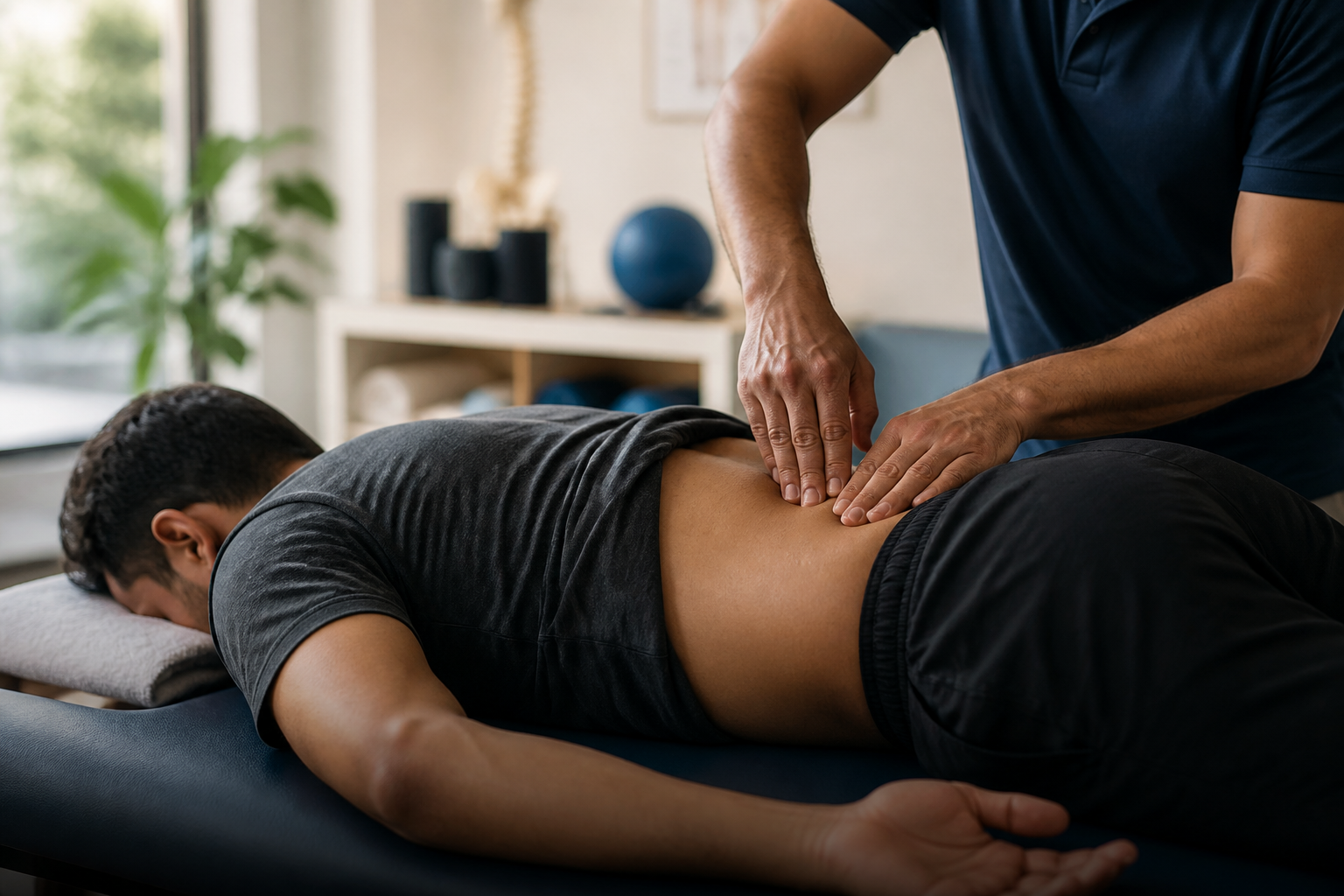
Back pain can begin after lifting a suitcase, sitting through a long workday, returning to the gym or for no obvious reason at all. The first question is often the same: should I wait, rest, exercise or see a physiotherapist? The answer depends less on a single pain score and more on how the symptoms behave, how long they last and what they stop you from doing.
Most episodes are not caused by a dangerous condition, but persistent or recurring pain deserves a thoughtful assessment. A physiotherapist can look beyond the painful area to understand movement, strength, daily workload, sleep, confidence and previous episodes. This guide explains how to make that decision and what back pain physiotherapy in Noida may involve.
When it is reasonable to monitor your symptoms
A mild episode that has started recently and is already improving may settle with sensible activity modification. Try to keep moving within comfort, change position regularly and continue simple daily tasks where possible. Long periods in bed can increase stiffness and make returning to normal activity feel harder.
Monitor the direction of change. You should gradually be able to sit, stand, walk or sleep more comfortably. Temporary soreness with movement does not always mean damage, but symptoms that become steadily stronger, travel further down the leg or reduce your ability to function need closer attention.
Practical takeaway: Look for a steady improvement in function, not complete comfort after every movement.
Seven signs that a physiotherapy assessment may help
Consider booking an assessment if pain has not improved after several days, keeps returning, disturbs sleep, limits work or walking, or makes you avoid movement. An assessment is also useful when pain spreads into the buttock or leg, when stiffness repeatedly returns after sitting, or when you are unsure how to restart exercise safely.
Recurring back pain is rarely solved by collecting more random exercises. The useful question is why the same area keeps becoming sensitive. Your physiotherapist may examine spinal and hip movement, trunk and leg strength, nerve sensitivity, lifting habits and the relationship between activity, recovery and symptoms.
Practical takeaway: Seek help when pain is controlling your routine, even if the pain itself is not severe.
Warning signs that need urgent medical attention
Seek urgent medical care if severe back pain is accompanied by new loss of bladder or bowel control, numbness around the groin or saddle area, rapidly increasing weakness in one or both legs, or difficulty walking. These symptoms can indicate serious nerve involvement and should not wait for a routine physiotherapy appointment.
Prompt medical review is also important after major trauma, or when back pain occurs with fever, unexplained weight loss, a history of cancer, significant illness or a general feeling of being unwell. Serious causes are uncommon, but responsible care begins by screening for them.
Practical takeaway: New bladder, bowel, saddle-area or progressive neurological symptoms are emergencies.
What happens during a back pain assessment
A good assessment begins with your story: when the pain started, what changes it, whether it travels, what treatment you have tried and what you need to return to. The physical examination may include movement, strength, balance, nerve-related tests and task-based observation such as bending, sitting or lifting.
Scans are not automatically required for every episode. Your physiotherapist will explain the likely contributors, identify anything that needs medical referral and agree on meaningful goals. For one person that may be sleeping through the night; for another it may be commuting, lifting a child or returning to cricket.
Practical takeaway: An assessment should leave you with a clear explanation and an achievable next step.
How physiotherapy may support recovery
Treatment commonly combines education, graded movement and progressive exercise. Hands-on techniques may be used when appropriate, but they work best as part of a wider plan that helps you regain capacity. Exercise may target mobility, trunk and hip strength, tolerance for bending or lifting, and confidence with activities you have started to avoid.
The programme should evolve as you improve. Early exercises may focus on comfortable movement; later sessions may prepare you for prolonged desk work, gym training, household tasks or sport. The goal is not dependence on treatment. It is the ability to understand and manage your back with greater confidence.
Practical takeaway: The strongest plan connects symptom relief with the activities you want back.
Finding back pain treatment in Sector 141, Noida
If you live or work around Sector 141, Noida, choose a clinic that explains its reasoning, measures progress and adapts treatment to your routine. Bring relevant medical reports, a list of medicines and details about previous episodes. Wear clothing that allows comfortable movement during assessment.
At Aceso Physiotherapy, back pain care is built around the individual rather than a fixed package. The first visit is used to understand symptoms, screen safety, establish goals and decide whether physiotherapy is appropriate.
Practical takeaway: Choose care that gives you clarity, measurable progress and a plan you can continue outside the clinic.
Explore related physiotherapy care
Frequently asked questions
Should I rest completely when my back hurts?+
Complete bed rest is usually not the first choice for uncomplicated back pain. Comfortable movement and gradual activity are often more useful, but severe, worsening or neurological symptoms require assessment.
Do I need an MRI before seeing a physiotherapist?+
Not always. Many episodes can be assessed clinically. A physiotherapist or doctor can advise whether imaging is appropriate based on your history, examination and warning signs.
Can physiotherapy help sciatica?+
Physiotherapy may help some people with leg symptoms linked to the back through education, graded exercise and activity planning. New weakness, bladder or bowel changes, or saddle numbness need urgent medical attention.
Clinical references
NICE: Low back pain and sciatica in over 16s ↗WHO: Rehabilitation ↗This article is for general education and does not replace an individual assessment. Seek urgent medical care for severe, rapidly worsening or neurological symptoms, or after significant trauma.